
The Love of Learning
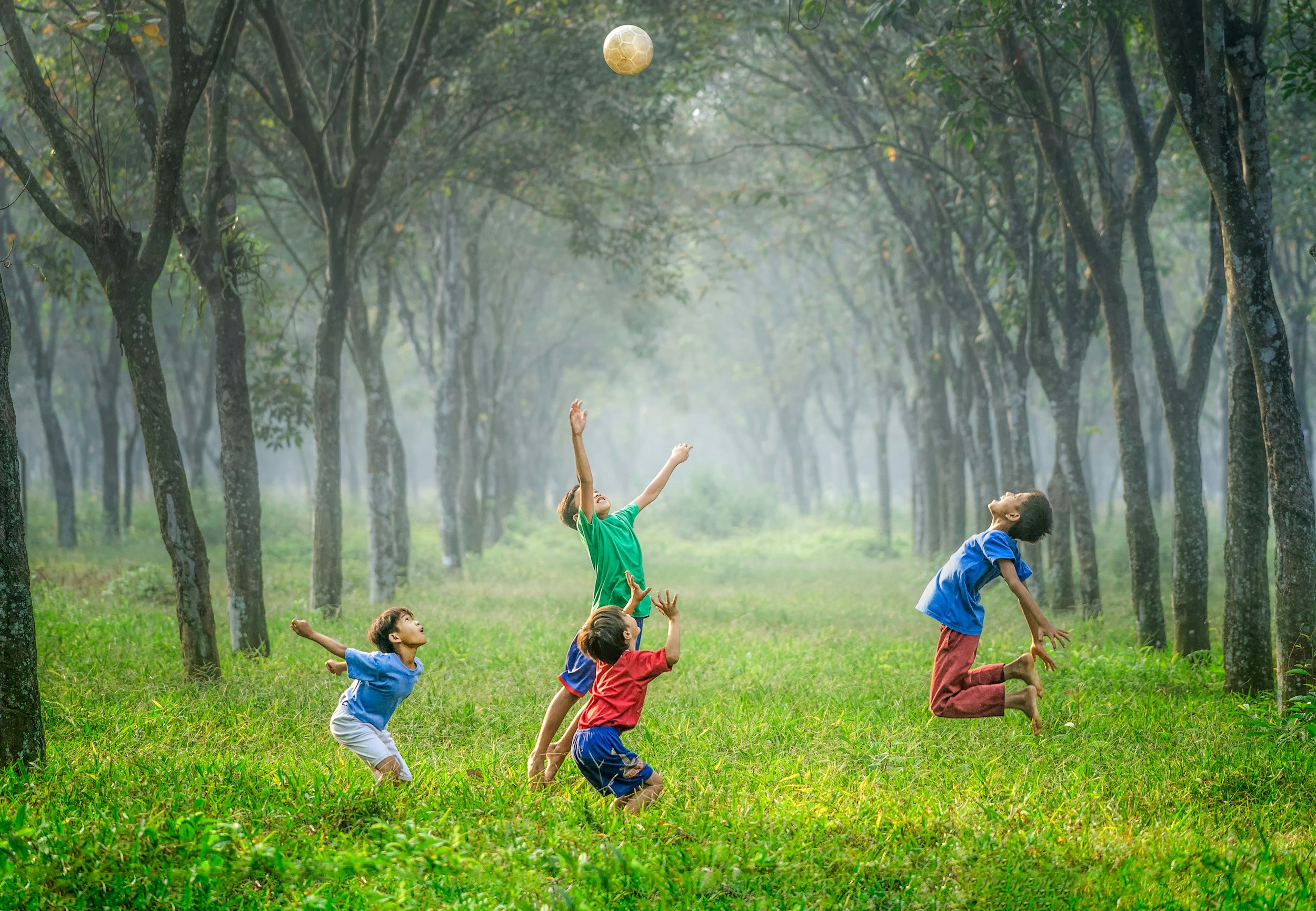
Okay, parents, let’s start with you. When I mention talking to your children about learning this summer, how many of you cringe and want to avoid the conversation altogether?
Why is that? Does it bring back memories of math facts, book reports, completion grades, or piles of make-up work? Do you automatically associate learning with schoolwork? Do you anticipate pushback, complaints, and pouting? If so, I want to encourage you to reconsider.
When did learning become associated with a specific time, space, or place?
For many of us, school was a time to memorize information and simply get by. It was a place for social interaction, often bringing with it everything from popularity to social anxiety and bullying. It was a setting where we were tested, graded, and ranked. Quite often, genuine learning was never the primary focus of our educational experience.
The reality is that a setting has very little to do with a child’s ability to learn, but it has a great deal to do with how they learn. Every child is intelligent in a variety of ways, but not every environment is conducive to every type of intelligence. Learning should involve information, curiosity, discovery, knowledge, instruction, trial and error, correction, and understanding. Yet the way this process unfolds, takes root, and comes to life is different for every child. Did you know there are eight recognized intelligences (some researchers suggest a ninth)? Every person possesses all of these intelligences to varying degrees, with some being more dominant than others.
Linguistic (Word Smart): These children are verbal processors who communicate well, enjoy reading, and often love words and conversation.
Kinesthetic (Body Smart): Think athlete or actor. These learners learn best through movement and hands-on experiencesand often struggle to sit still for long periods.
Naturalist (Nature Smart): They notice patterns, enjoy the outdoors, and are naturally curious about how things work in the world around them.
Musical (Music Smart): These learners easily recognize rhythms and patterns, reproduce melodies, and often learn music quickly.
Interpersonal (People Smart): They connect easily with others, enjoy collaboration, read people well, and often recognize thestrengths in those around them.
Intrapersonal (Self Smart): These children are reflective, thoughtful, and independent processors who benefit from time and planning.
Logical-Mathematical (Logic Smart): They enjoy numbers, reasoning, puzzles, experiments, and analyzing information.
Spatial (Picture Smart): These learners think visually. They enjoy art, imagination, maps, charts, videos, and mentally manipulating objects and ideas.
Existential Intelligence
More recently identified, this intelligence involves contemplating life's big questions, understanding broader concepts, and demonstrating wisdom, creativity, and a big-picture perspective. Understanding how your child learns not only helps you identify the best educational environment for them, but it also equips you as a parent to support their learning process more effectively. Even more importantly, understanding how God uniquely designed your child can help you cultivate security, identity, belonging, purpose, and competence in their life.
It isn’t a matter of if your child is smart.
It is a matter of how they are smart.
This summer, take advantage of the extra time and flexibility to encourage learning. Pay attention to what naturally captures your children's interest. Notice what draws them in and how they respond when discovering something new.
We are all created to love learning. God designed us to grow, explore, follow, and learn. One of the greatest privileges we have as parents is discovering His unique design in each of our children.
As you observe your child this summer, ask yourself: How has God wired them to learn? The answer may unlock new ways to encourage, equip, and delight in the incredible person He created them to be.
Family Resources
If you are a parent or teacher interested in learning how to create an innovative environment for your children or children in your community, I can help! Check out The Pod Packet.
For more from Suzanne Phillips and Beacon Parent, check out:
Website | Instagram | The Parent Club | The Informed Parent Podcast