
What It Means To Pursue Justice
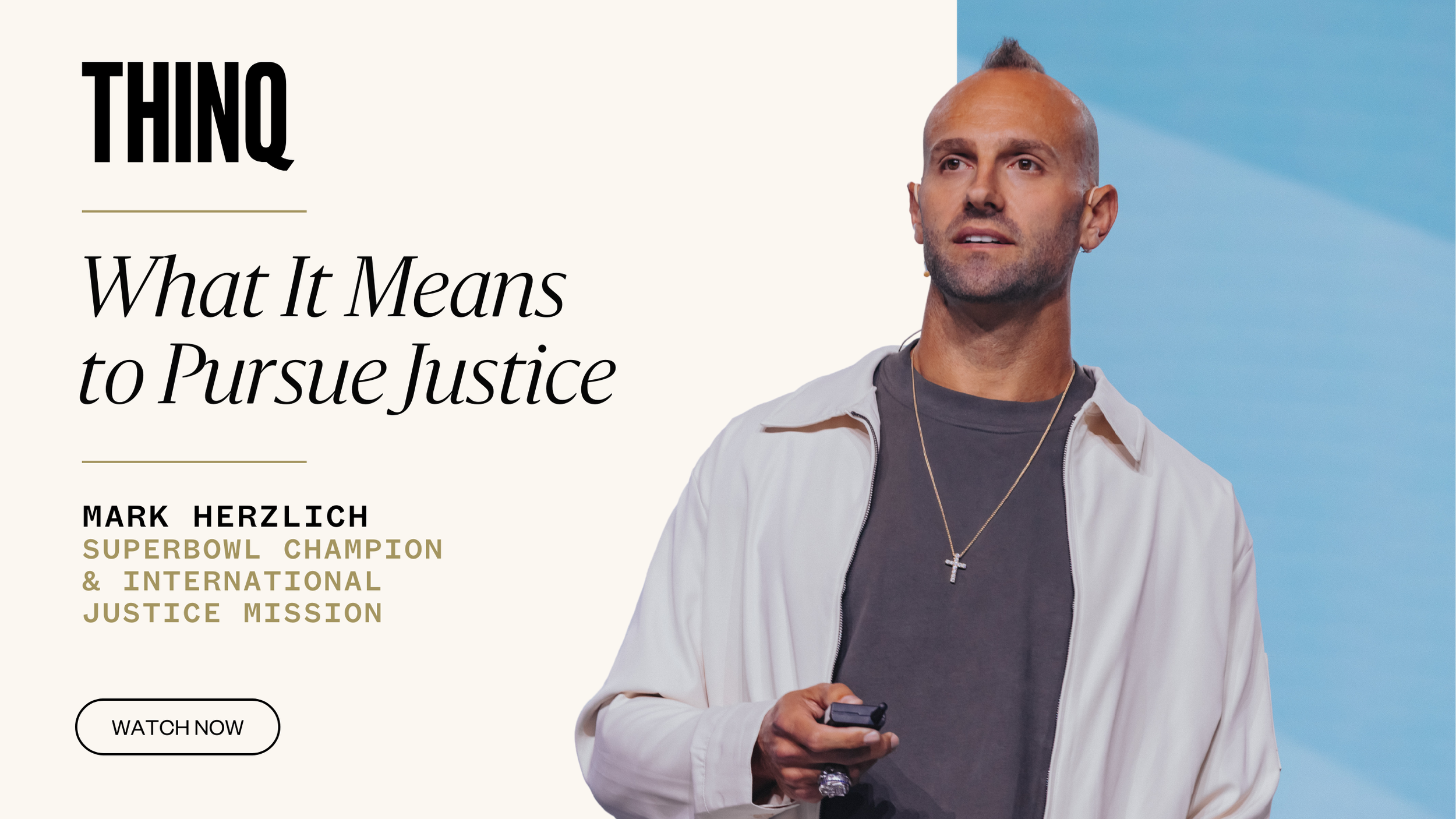
Injustice isn’t abstract—it has names and faces. Mark Hertzlich reminds us that while 50 million fans have filled a stadium over a century, an estimated 50 million people are trapped in modern slavery today. Of those, 27.6 million are in forced labor, and children account for roughly 12% of victims. Online sexual exploitation of children is rising globally, fueled by poverty and digital access. Justice isn’t someone else’s fight—it’s ours. Real courage isn’t swagger; it’s creating safe spaces, using your voice, and standing for the vulnerable. Cultural change begins when ordinary people refuse to ignore extraordinary injustice.
Justice feels urgent, loud, and often divisive. But what does it really mean to pursue it with wisdom and faithfulness?
In What It Means to Pursue Justice, step beyond slogans and surface debates to explore justice as a practice grounded in truth, righteousness, and the flourishing of others. This isn’t about picking political sides or winning arguments — it’s about thinking deeply about how justice intersects with our convictions, our actions, and the life of our communities.
This talk helps us ask better questions:
What does justice look like in everyday life?
How do we balance conviction with compassion?
How can we work toward justice without sacrificing wisdom?
If you’re seeking a clearer, more rooted way to engage the world, one that honors both truth and human dignity, this conversation will stretch and sharpen your thinking.