
We Are Not Victims
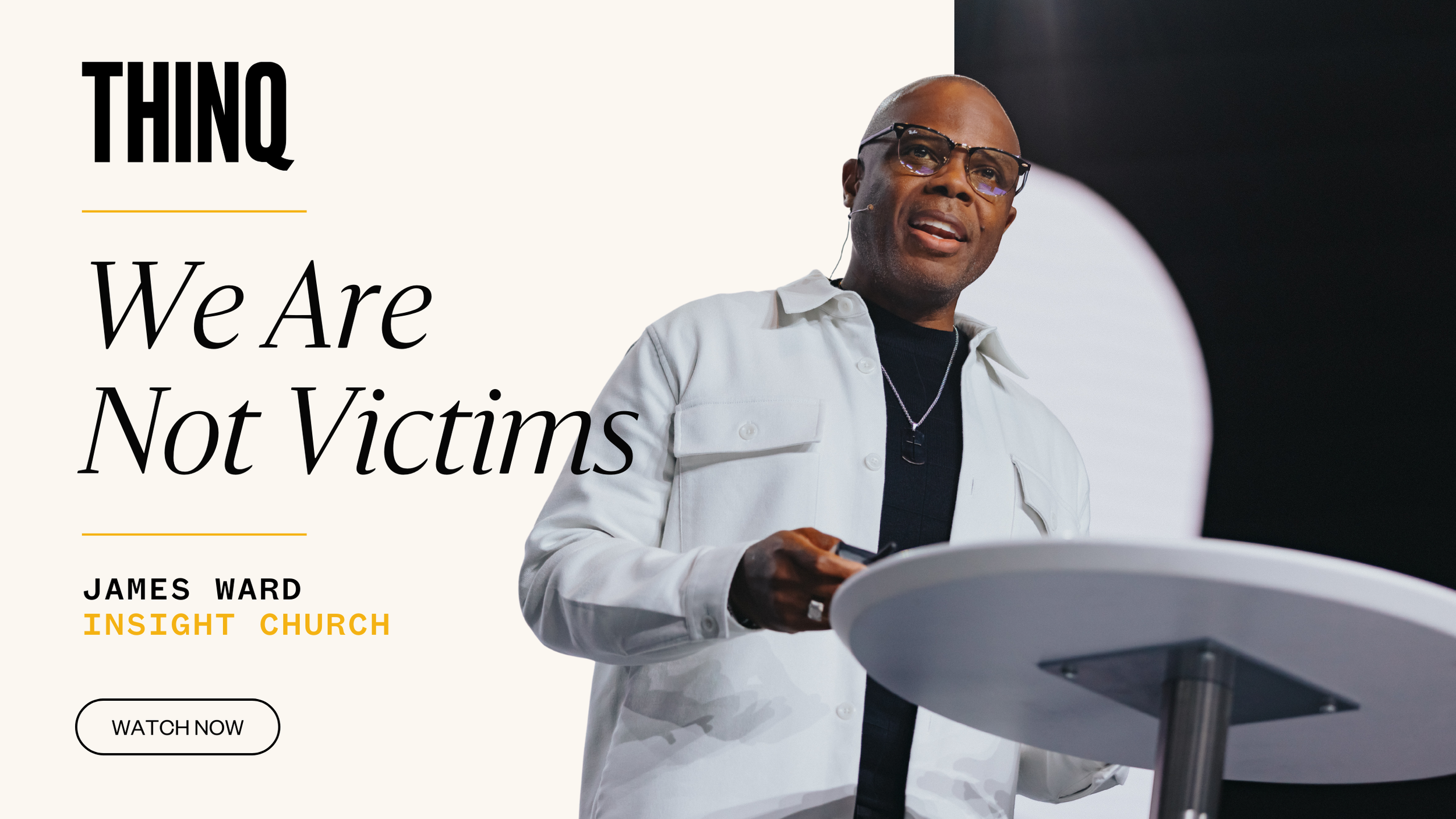
The We Are Not Victims message reframes suffering and injustice not as identities, but as contexts where individuals retain agency and purpose. Psychology defines a victim mentality as a mindset where people attribute misfortune solely to external forces, blames others, and deny personal responsibility—often leading to pessimism, self-pity, and lower well-being. Research shows that this mindset correlates with higher depression, anxiety, and helplessness compared with those who acknowledge responsibility and solutions. By rejecting passive victimhood and embracing resilience—rooted in faith and personal responsibility—leaders can break cycles of blame and cultivate courage, hope, and constructive engagement in culture.
How often do you feel stuck in life’s patterns without rest or reprieve? In today’s talk, we are challenged to rethink the way we view the world around us.
In We Are Not Victims, James Ward reframes how we see ourselves in a world quick to label pain and struggle. This conversation pushes for dignity, examines deep narratives of victimhood, and addresses the cultural pressures that shape how we think about suffering.
He invites us to discover how faith reshapes our view of community, and it raises questions about where real hope and responsibility begin. Join us to rethink our purpose in every season.