
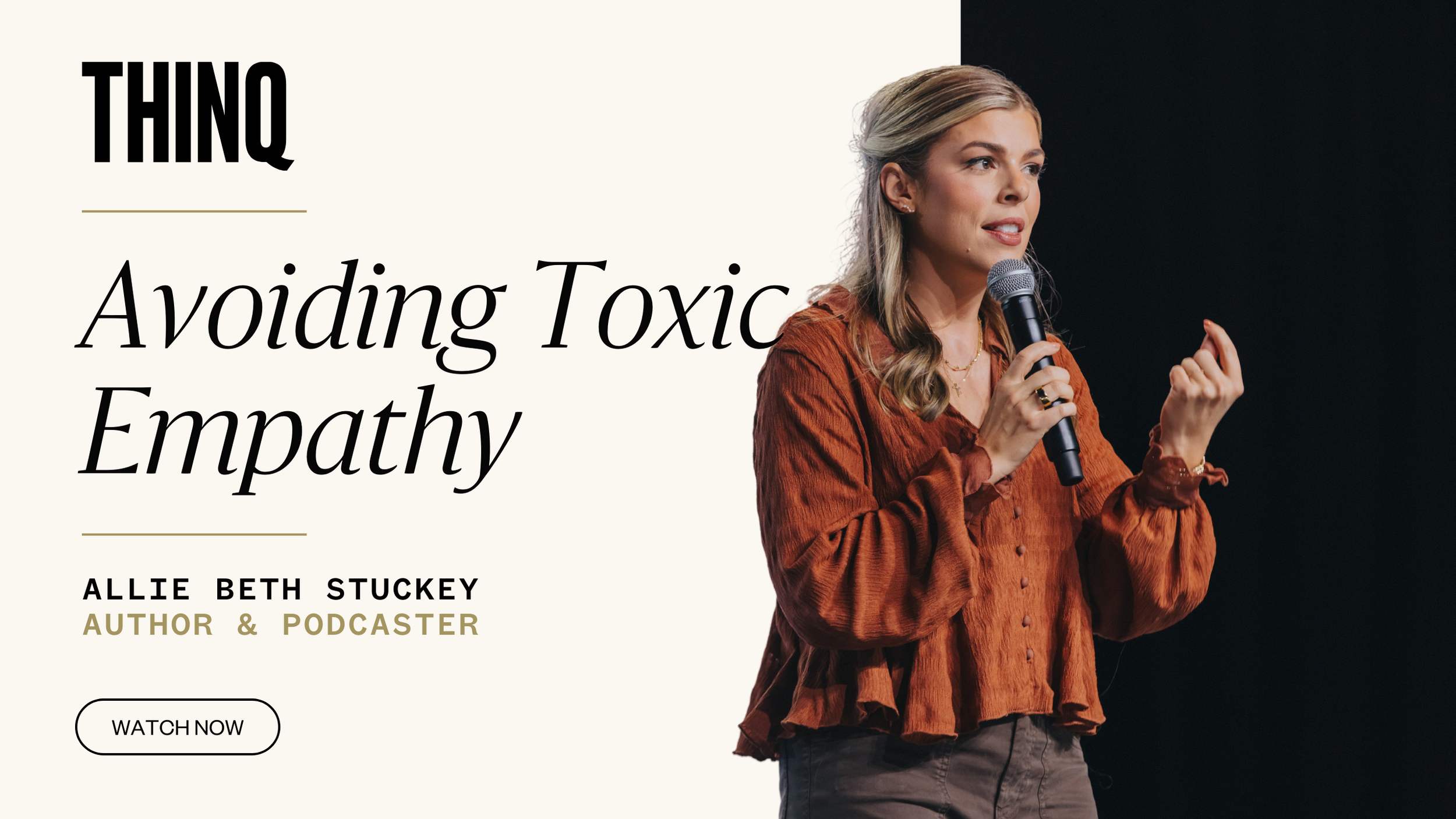
Avoiding Toxic Empathy
Empathy is widely celebrated, but research shows it can carry hidden costs when unmoored from wisdom and boundaries. Recent psychological reviews find that excessive affective empathy — deeply feeling others’ emotions without distinction — can heighten emotional distress, anxiety, and even lead to burnout or vicarious trauma when constantly absorbed without healthy limits. In social contexts, strong empathic concern can unintentionally reinforce negative emotional states or fuel polarized responses instead of constructive engagement. Avoiding Toxic Empathy calls Christians to pair compassion with discernment, grounding empathy in truth, action, and sustainable care so that it builds people up rather than drains or misleads them.
Empathy is an emotional way of relating to people. It is essential to leadership and discipleship, yet at times, it stops being a gift and starts being a burden. Empathy has become a talking point for slogans rather than intentional care for others.
In Avoiding Toxic Empathy, Allie Beth Stuckey unpacks how empathy can be powerful, but also misused or misunderstood. This can blind us to reality and morality. At its best, empathy can lead to kindness, but too often it can make us calloused.
If you want to lead with grace and wisdom, this conversation is for you.